Bioscouring Impact on Water, Steam, and Effluent Load | LoopBath
A practical dyehouse guide to where cotton bioscouring can reduce wash intensity, steam demand, wastewater load, and rework risk while protecting shade consistency.
Request pricing A practical dyehouse guide to where cotton bioscouring can reduce wash intensity, steam demand, wastewater load, and rework risk while protecting shade consistency.
Request pricingFor a cotton knit dyehouse, scouring is not just a preparation step. It sets up absorbency, shade build, reprocess risk, and the load carried into wastewater treatment.
Conventional alkaline scouring is familiar and robust, but it can also pull hard on rinsing, neutralization, steam, and effluent handling. Enzymatic bioscouring gives technical managers another lever: remove waxy and pectinaceous barriers with a milder preparation profile while keeping the fabric dye-ready.
If you are evaluating an enzyme supplier for cotton bioscouring, the right question is not simply whether the enzyme works. The better question is where the process can create measurable value in your specific dyehouse: water use, heating profile, rinse sequence, shade consistency, absorbency, hand feel, and wastewater load.
Cotton knit arrives with natural waxes, pectins, seed-coat residues, oils, knitting contaminants, and handling soils. If those barriers remain unevenly distributed, the dye bath has to compensate.
That compensation often appears as:
Bioscouring targets the surface barriers that limit wetting. The operational value is not only a cleaner fabric surface. It is a more predictable starting point for bleaching, dyeing, and finishing.
Water reduction usually comes from changes around the scouring sequence, not from the enzyme alone. In a controlled bioscouring program, a dyehouse may be able to review:
The biggest opportunity is often repeatability. If every lot reaches target wet-out with less corrective washing, the water impact becomes visible in production logs rather than in a lab note.
For buyer-side evaluation, LoopBath recommends tracking the same indicators your operators already trust:
These indicators connect bioscouring directly to dyehouse economics.
Alkaline scouring typically depends on aggressive heat and chemistry to open the cotton surface and remove hydrophobic barriers. Bioscouring can allow a milder preparation window, depending on machine type, substrate, contamination level, and downstream requirements.
Steam impact may come from:
The commercial point is not a single promised steam number. It is the ability to map a preparation recipe against your current steam profile and identify where heat is being used to solve a wetting problem that enzymes may handle more selectively.
Preparation chemistry affects the wastewater plant. Strong alkali, heavy rinsing, high salt from corrections, suspended soils, and carryover chemicals all contribute to treatment load.
A bioscouring approach can support effluent improvement by helping reduce:
For a dyehouse technical manager, the target is stable wastewater, not just cleaner-looking drain liquor. Stable preparation can make treatment planning easier and reduce surprises at the equalization stage.
Bioscouring has to fit the dyehouse. A useful enzyme program should be compatible with the realities of cotton knit processing:
LoopBath focuses on process fit: where the enzyme enters, how the bath behaves, how the fabric wets, and whether the next step becomes more stable.
Before moving from trial to production, build the comparison around buyer-relevant checkpoints:
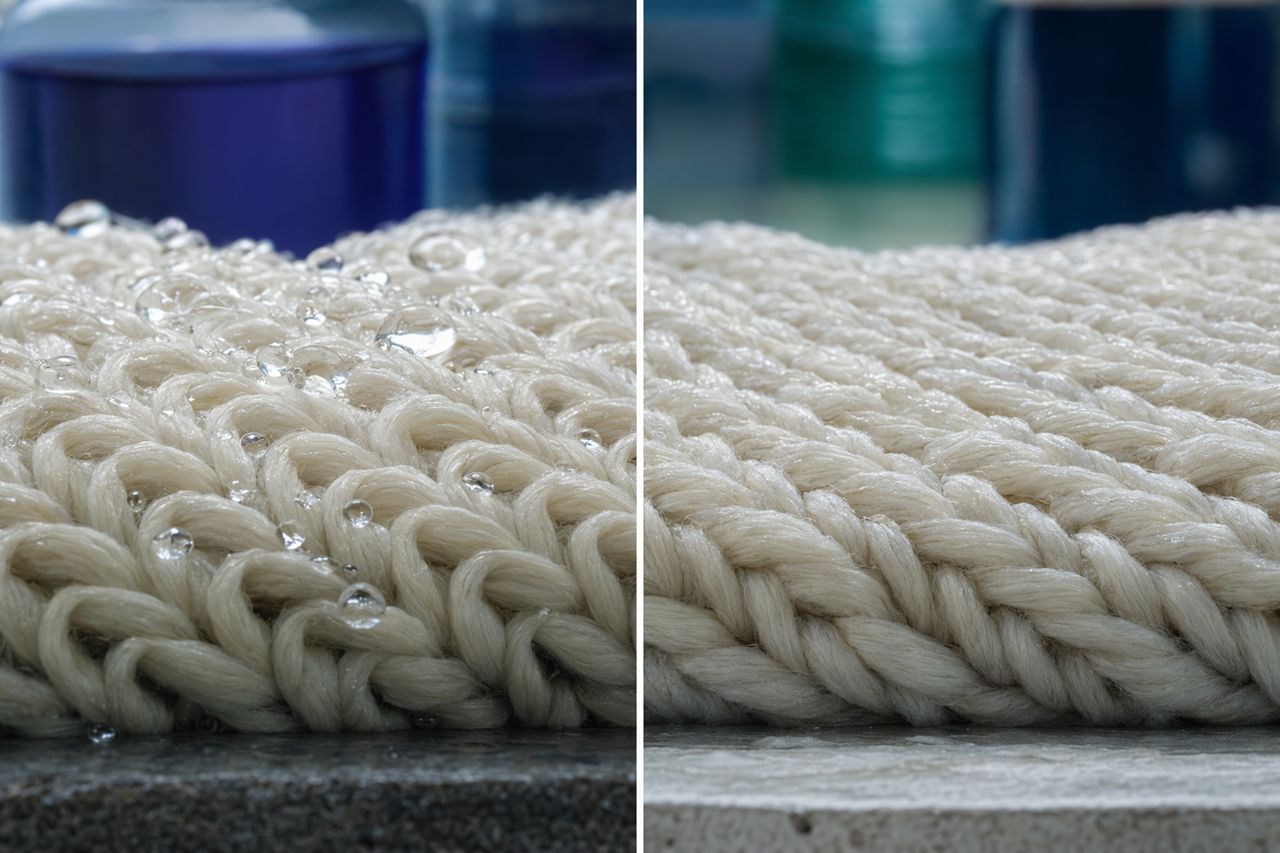
Prepared fabric should wet evenly, not only pass a one-point check. Look across roll positions, rope movement zones, fabric weights, and repeat lots.
The preparation route must support predictable dye uptake. Compare shade repeatability, correction rates, and operator interventions before and after the bioscouring trial.
Do not assume the same rinse package is required. Once wet-out is stable, review whether the wash sequence can be simplified without risking carryover.
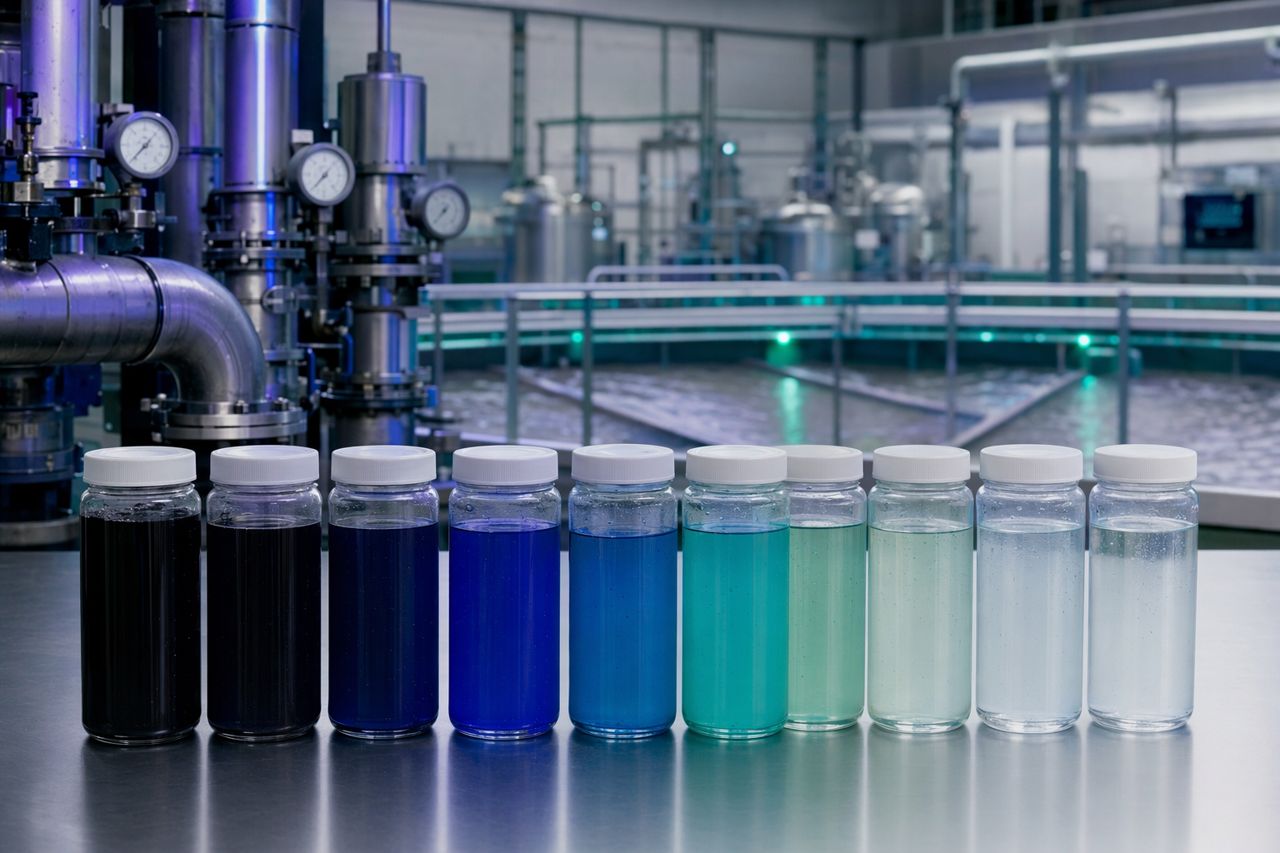
Check the preparation drains and downstream wastewater response. The best result is a lower-stress, more predictable load on treatment operations.
A recipe that works only under ideal attention will not survive production. Confirm foam control, circulation, loading tolerance, and operator clarity.
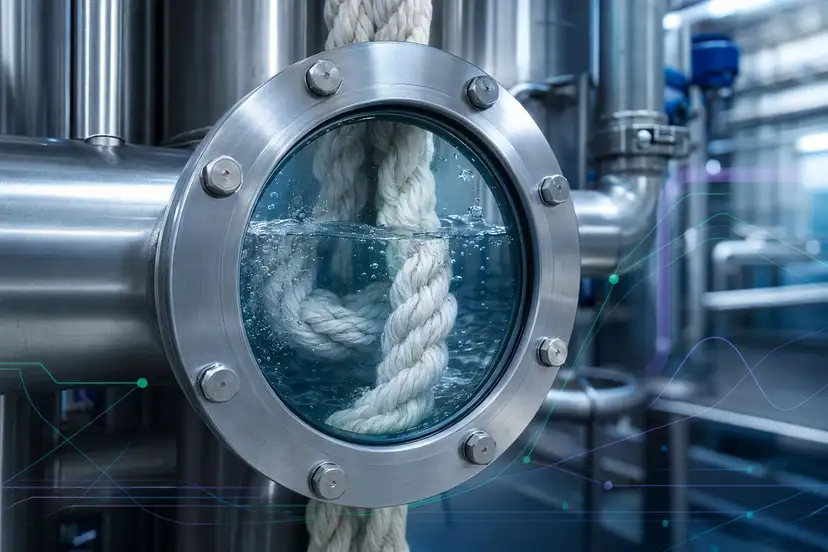
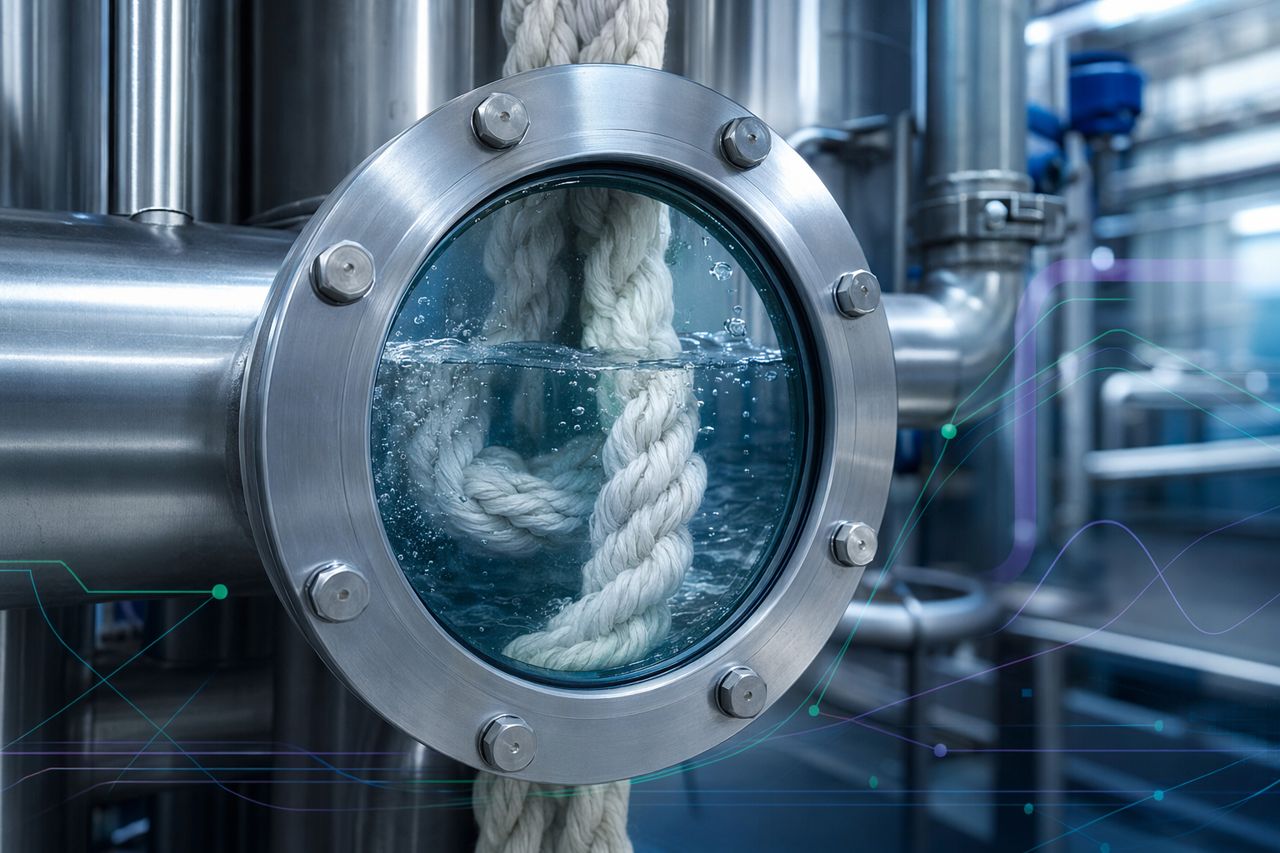
This page includes a one-minute faceless explainer showing a cotton knit rope circulating through a controlled bioscouring bath, followed by wet-out testing, rinse review, steam profile comparison, and wastewater observation. The visual focus is plant-floor practical: fabric movement, liquor behavior, absorbency, and process checkpoints.
Bioscouring is most relevant when your dyehouse is facing one or more of these conditions:
It is not a universal replacement for every scouring route. It is a targeted process option for mills that want preparation to be more controlled, measurable, and compatible with modern production economics.
A qualified supplier should help you answer production questions, not just provide a product name.
Ask for support with:
LoopBath works with cotton knit dyehouses to connect enzyme selection with production outcomes: consistent absorbency, lower rework risk, recipe confidence, and a clearer view of water, steam, and effluent impact.
If you are reviewing bioscouring for cotton knit production, share your fabric type, current preparation route, machine format, and target outcome. LoopBath can help assess fit and prepare a practical supply quote.
Tell us your application and volume — we reply with pricing and lead time.