Knitting Oils, Wax Load, and Bioscouring Readiness in Cotton Knit Fabric
Cotton knit bioscouring is often discussed as an enzyme step. On the dyehouse floor, it behaves more like a readiness problem.
Before the bath reaches its target conditions, the fabric already carries a history: knitting oils, spin finish residues, natural cotton waxes, storage variation, seed coat fragments, and roll-to-roll differences in absorbency. If that history is not understood, bioscouring can still run, but the dyehouse may see slower wet-out, patchy liquor access, uneven dye uptake, or preventable rework.
For a cotton knit dyehouse searching for an enzyme supplier for cotton bioscouring, the practical question is not only which enzyme to buy. It is whether the enzyme program fits the fabric, machine, shade route, and commercial tolerance for variation.
Why knitting oils matter before bioscouring
Knitting oils help yarns move through needles, cams, and high-speed circular knitting systems. They are useful upstream, but they can become a preparation variable downstream.
In the dyehouse, excess or uneven oil carryover can:
- delay water penetration into the knit structure
- interfere with uniform liquor exchange inside the fabric rope
- create localized differences in surface readiness
- reduce confidence when moving into pale, bright, or sensitive reactive shades
- increase the chance of corrective washing or shade adjustment
The issue is not always visible on greige fabric. A roll may look acceptable and still wet out differently from the next roll in the lot. That is where bioscouring readiness needs to be assessed as a process condition, not assumed as a material constant.
Wax load is natural, but variation is operational
Cotton wax is part of the fiber’s natural surface. Bioscouring is intended to help prepare that surface for reliable absorbency and dyeing while supporting a milder preparation route than aggressive conventional scouring.
However, wax load varies with cotton source, yarn blend characteristics, spinning history, and fabric storage. In knit dyeing, that variation can show up as:
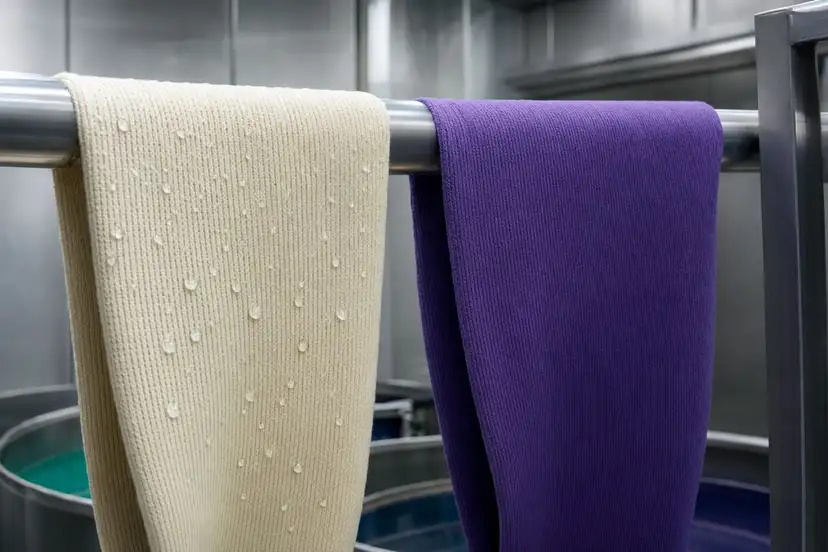
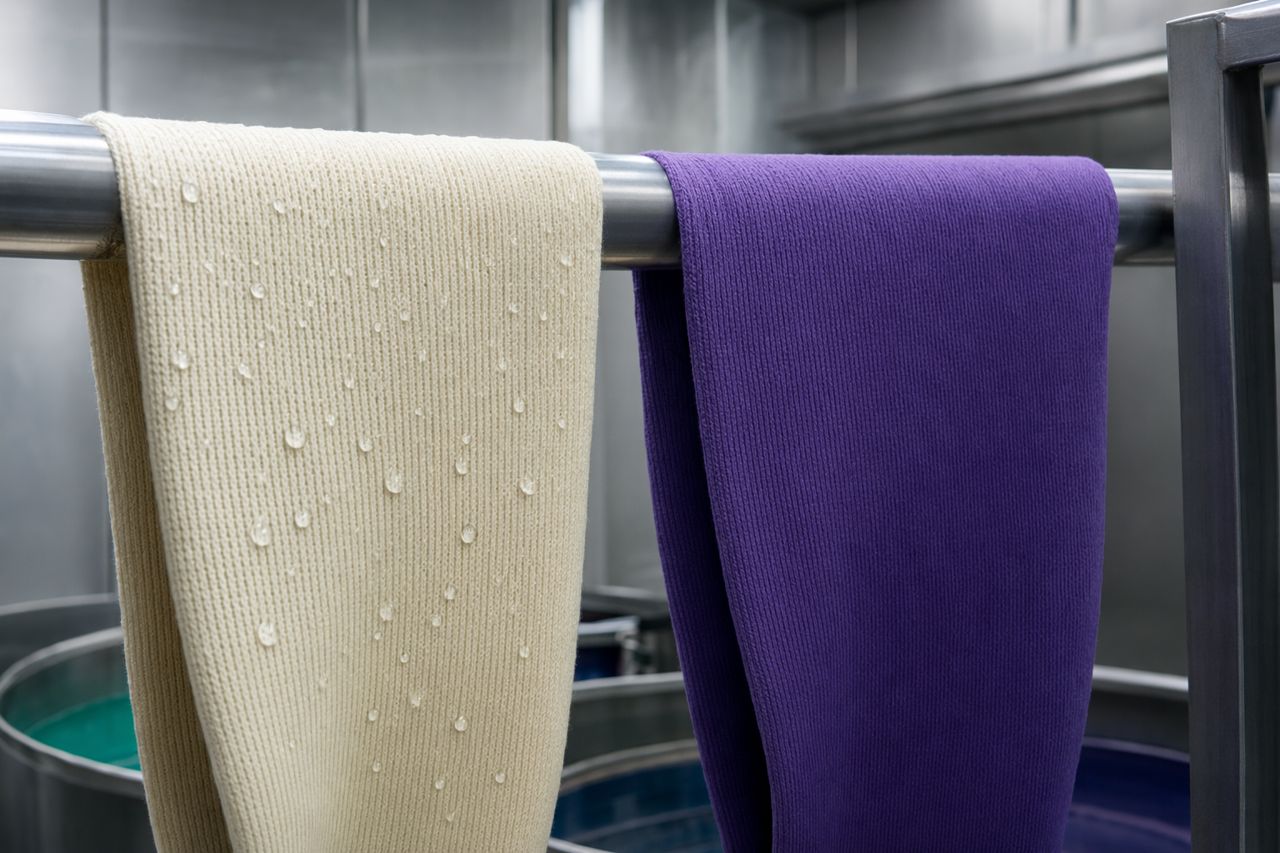
- inconsistent drop absorption before dyeing
- uneven initial liquor pickup
- longer preparation time to reach dye-ready fabric
- shade instability between nominally similar lots
- more dependence on operator correction during the dye cycle
The target is not simply to remove everything as harshly as possible. The target is controlled, even wetting and a dye-ready cotton surface that behaves consistently in the mill’s real recipe window.
What bioscouring readiness looks like on the floor
A cotton knit lot is usually ready for an enzyme-led bioscouring program when the dyehouse has confidence in four areas.
1. Wet-out behavior is measurable and repeatable
Fast absorption is useful. Repeatable absorption is more valuable. If one roll wets rapidly and another resists liquor penetration, the same bioscouring recipe may produce different downstream dyeing behavior.
2. Oil and wax load are within process tolerance
High oil carryover does not automatically block bioscouring, but it reduces margin. The recipe may need stronger wetting support, adjusted sequencing, or closer attention to liquor movement.
3. The enzyme step fits the machine reality
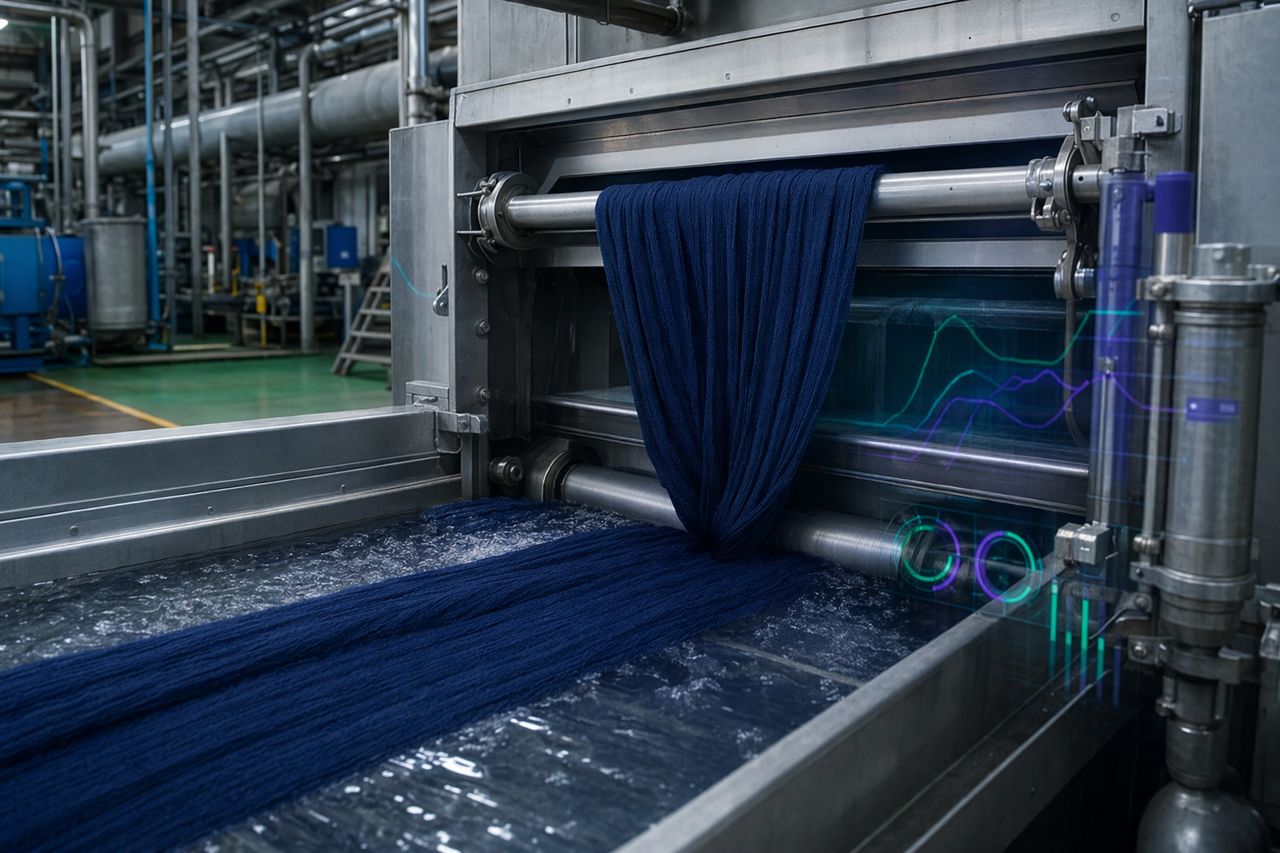
Jet dyeing, soft-flow systems, rope speed, loading level, liquor ratio, and fabric construction all affect how evenly the preparation chemistry reaches the cotton surface. A good bioscouring program must match those conditions rather than only look correct on paper.
4. The shade route is protected
Preparation should support the next commercial step: dyeing. The value of bioscouring is seen in even dye take-up, stable shade development, fewer corrective additions, and lower rework risk.
Common signals that the fabric is not ready
Technical managers often detect readiness issues through small operational clues before they become major quality problems.
Watch for:
- slow or uneven wetting during the first stage of processing
- foam or scum behavior linked to oil residues
- absorbency differences across rolls in the same production batch
- pale shade sensitivity after preparation
- uneven fabric handling in the jet due to variable liquor access
- repeated need for extra wash-off or shade correction
When these signals appear, the right response is not always to increase chemical strength. Sometimes the better move is to rebalance the bioscouring sequence, improve compatibility with wetting and dispersing aids, or review the incoming greige profile.
Recipe compatibility: where supplier support matters
An effective enzyme supplier for cotton bioscouring should help the dyehouse evaluate the whole preparation route, including:
- greige fabric type and knit construction
- knitting oil level and removal behavior
- expected natural wax variation
- bath pH and temperature window
- wetting agent compatibility
- peroxide or bleaching sequence, if used
- dye class and shade sensitivity
- machine type and circulation behavior
- acceptable rework and right-first-time targets
The goal is not an academic enzyme recommendation. The goal is a usable production recipe that the dyehouse can run with confidence.
Commercial value of controlled bioscouring readiness
When knitting oils and wax load are managed before and during bioscouring, mills can gain practical value in several places.
More consistent absorbency
Uniform wet-out helps the fabric enter dyeing with fewer hidden surface differences. This supports predictable dye uptake and better shade repeatability.
Reduced rework pressure
If preparation is inconsistent, the dyehouse often pays later through corrective washing, shade additions, machine time, and delayed shipment. A readiness-based bioscouring approach helps reduce those avoidable corrections.
Cleaner route into reactive dyeing
Reactive shades are sensitive to preparation quality. Even surface readiness supports cleaner shade build, especially where pale, bright, or repeat programs require tight control.
Better process confidence
Technical managers need recipes that survive real production variation. Bioscouring readiness gives the team a clearer view of where margin exists and where the process needs adjustment.
A practical readiness checklist for cotton knit dyehouses
Before locking a bioscouring recipe, review these points:
- Are greige rolls from the same lot wetting at a similar rate?
- Is knitting oil carryover known, suspected, or variable?
- Does the fabric show signs of hydrophobic patches or delayed absorption?
- Is the machine loaded in a way that supports even liquor movement?
- Will the fabric go to pale, bright, or difficult reactive shades?
- Is the enzyme step compatible with existing wetting, bleaching, and dyeing auxiliaries?
- What level of rework is commercially acceptable for this order?
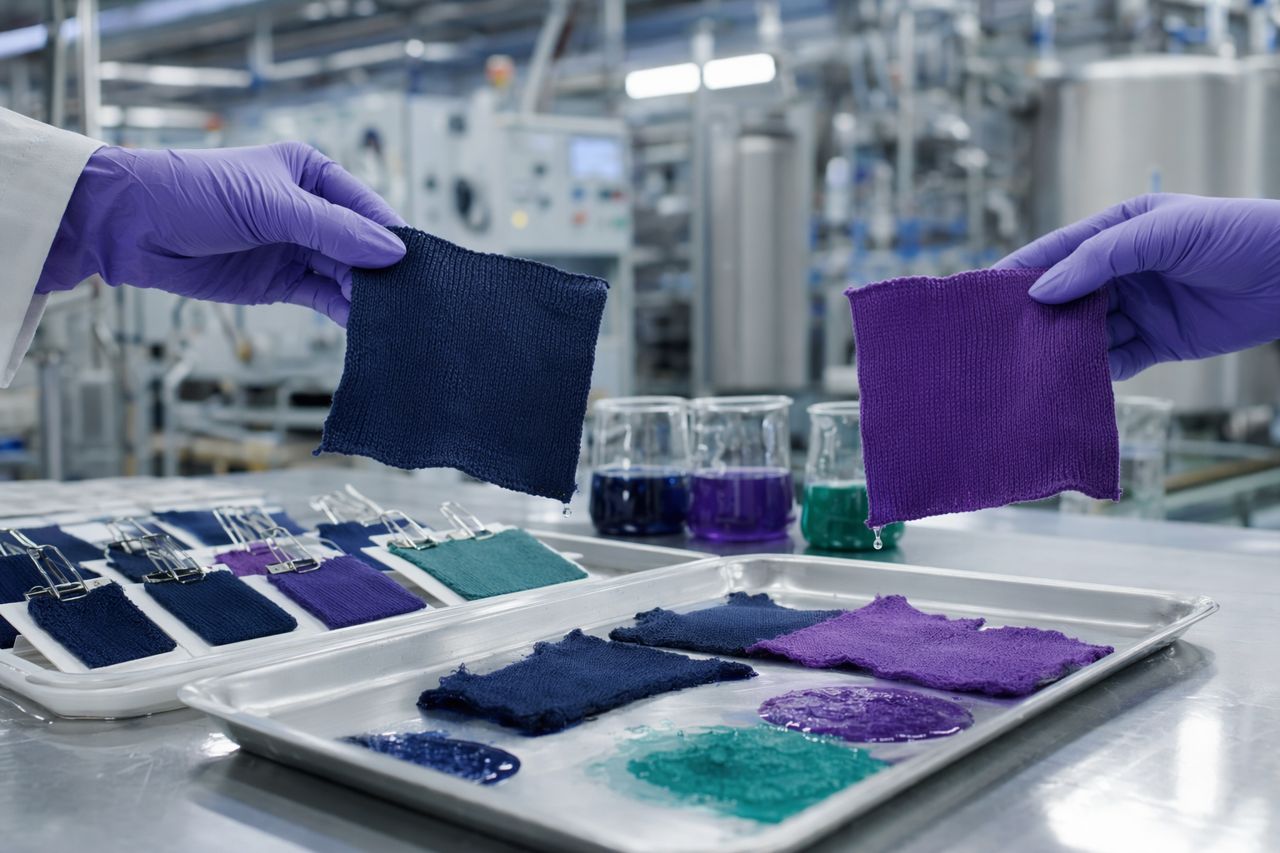
This checklist does not replace mill trials. It helps make those trials more focused and commercially relevant.
How LoopBath supports bioscouring decisions
LoopBath works with cotton knit dyehouses that need controlled preparation, recipe compatibility, and production confidence. The focus is practical: understand the incoming fabric, match the enzyme program to the machine and shade route, and support a preparation step that improves absorbency without creating unnecessary process risk.
If you are reviewing knitting oil variation, wax load, wet-out performance, or a shift toward enzyme-based cotton preparation, LoopBath can help frame the right bioscouring route for your dyehouse.
Request a quote
Share your cotton knit fabric type, dyeing machine, current preparation route, target shades, and the absorbency or rework issue you want to solve. Use the on-site request a quote form and LoopBath will respond with a practical bioscouring recommendation for your production conditions.
Request a quote