Reactive shade repeatability starts before the dyebath
Reactive dyeing issues are often investigated in the color kitchen, the dosing system, or the dyebath curve. Those checks matter. But for cotton knit dyehouses, many repeatability problems begin one step earlier: uneven pretreatment.
If natural waxes, pectins, seed-coat residues, and knit-to-knit variability are not controlled before dyeing, the fabric enters the reactive bath with inconsistent wet-out and uneven dye access. The result can look like a dyeing problem: shade drift, tailing, patchiness, soft handle variation, longer correction time, and avoidable rework.
For mills looking for an enzyme supplier for cotton bioscouring, the real buying question is not simply whether an enzyme can scour cotton. It is whether the pretreatment system helps production hold shade, absorbency, and fabric quality across real plant conditions.
Why pretreatment determines reactive shade behavior
Cotton knit fabric is not a uniform chemical surface. Greige preparation, fiber origin, knitting oil, storage, and previous handling all influence how the rope takes up liquor.
When the pretreatment stage is inconsistent, reactive dyeing becomes harder to control because:
- Wet-out varies across the rope and between lots.
- Alkali response becomes less predictable.
- Dyestuff access is delayed in less-open fabric zones.
- Migration and leveling behavior become less stable.
- Operators spend more time adjusting after the issue is already visible.
A controlled bioscouring step helps create a more even, dye-ready cotton surface before the reactive recipe begins.
What cotton bioscouring should deliver in production
For a cotton knit dyehouse, bioscouring is valuable when it supports measurable plant-floor outcomes, not just a cleaner lab result.
More reliable absorbency
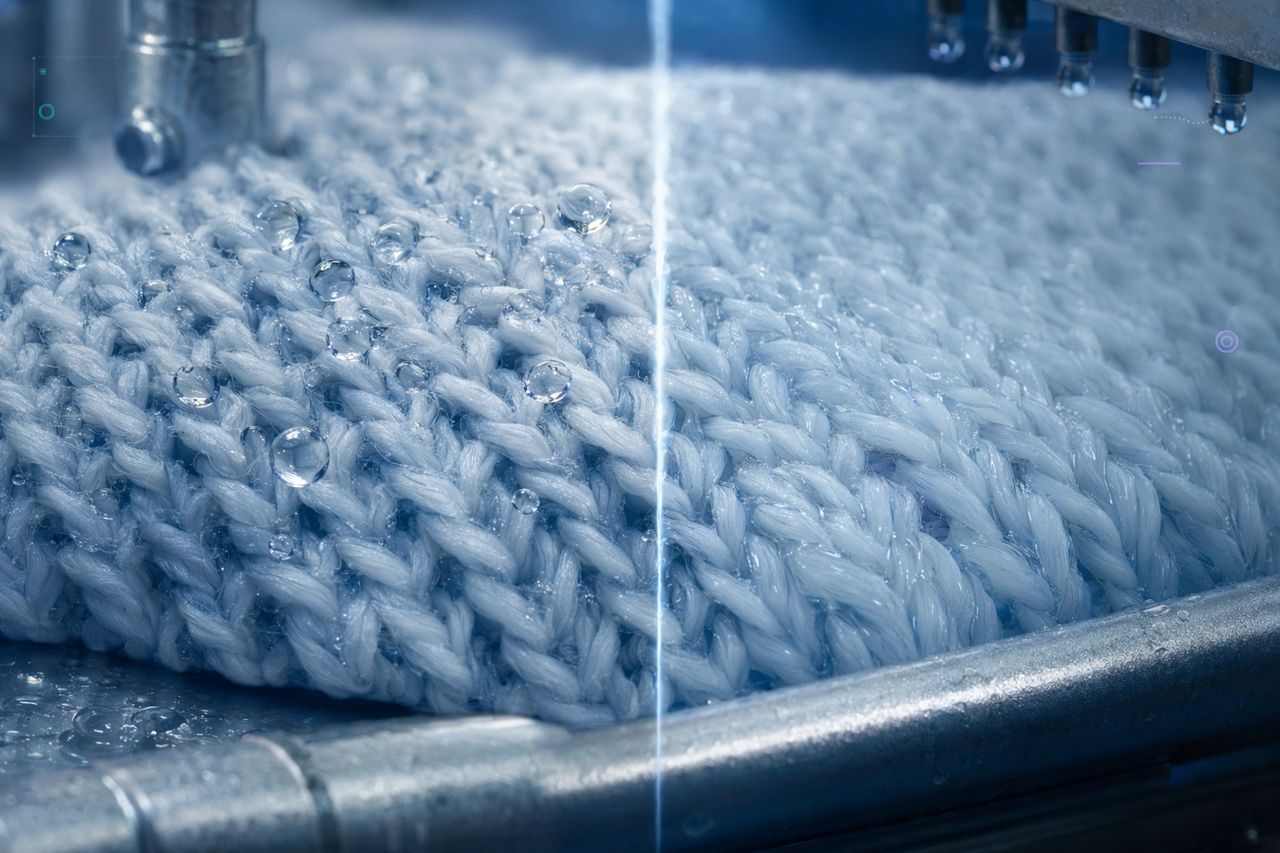
Consistent droplet penetration and liquor pick-up give the reactive bath a better starting point. This supports more even dyestuff access and reduces the chance that the first stage of dyeing locks in unevenness.
Better shade repeatability
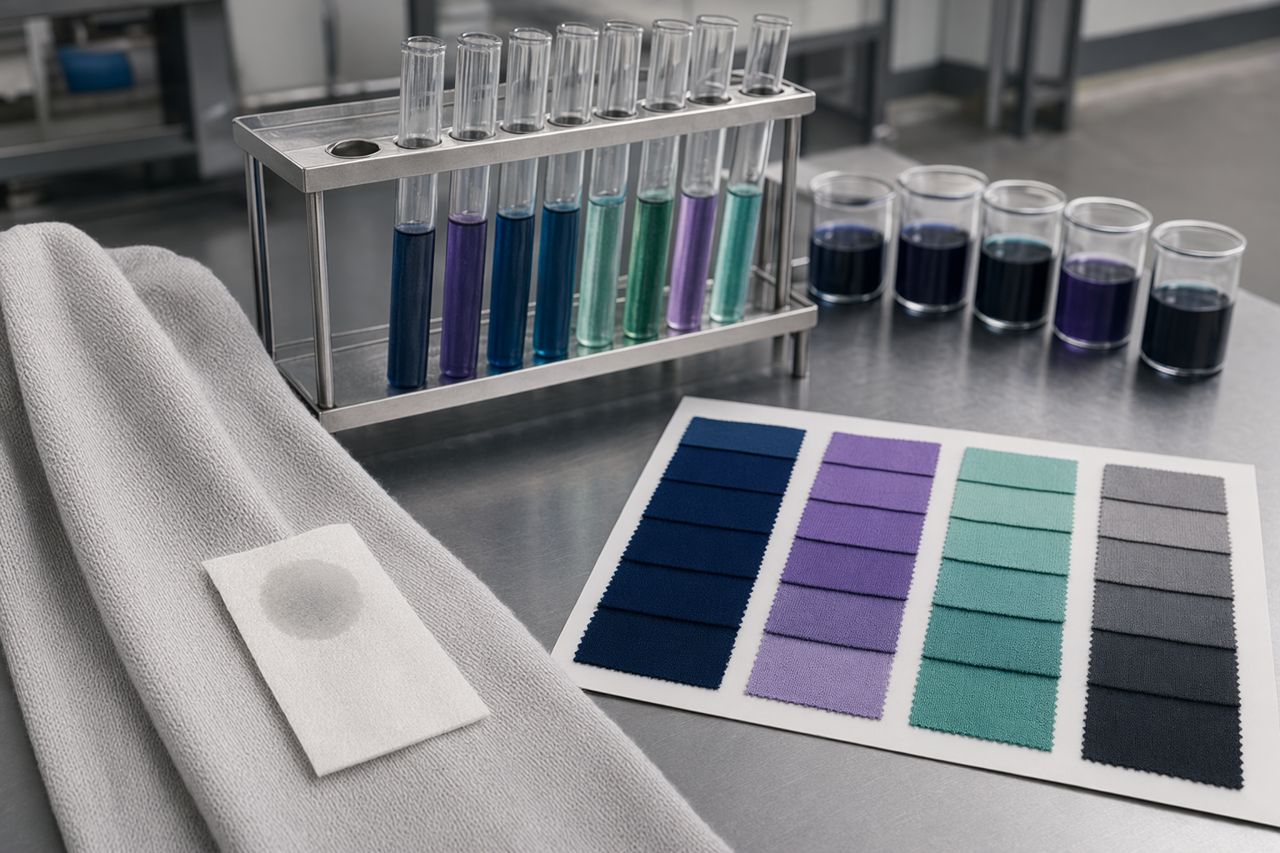
When the pretreatment result is more uniform, the dyehouse has fewer variables entering the shade-critical stage. That can support improved first-time-right performance, fewer additions, and less machine time spent on correction.
Recipe compatibility
Bioscouring should fit into existing knit preparation routes with practical pH and temperature windows, sensible hold times, and compatibility with peroxide or combined pretreatment strategies where appropriate.
Lower rework pressure
Every shade correction consumes machine availability, utilities, dyestuff, labor, and planning flexibility. A more predictable pretreatment stage helps reduce the upstream causes of re-dyeing, stripping, and customer shade discussions.
The control points dyehouses should watch
Strong bioscouring performance depends on process discipline. The most useful trials do not only compare treated and untreated fabric. They map the conditions that production can reliably hold.
Key control points include:
- Greige fabric variability by supplier, count, and construction.
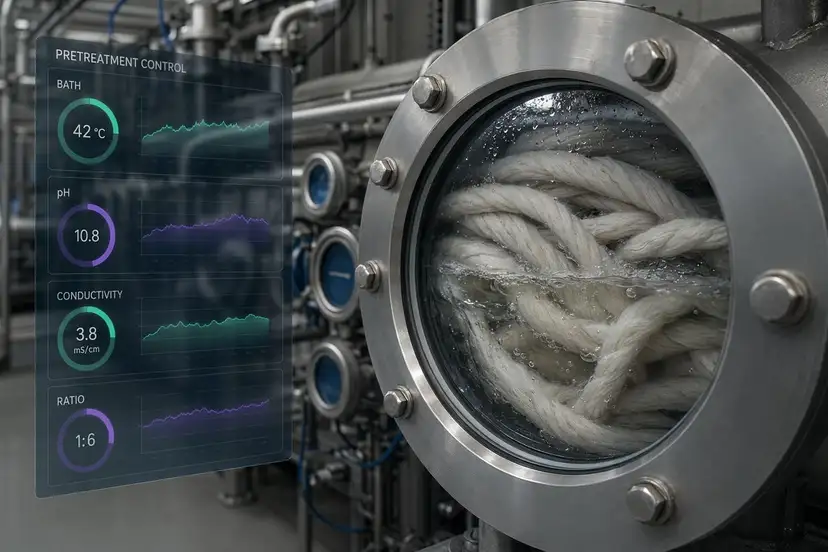
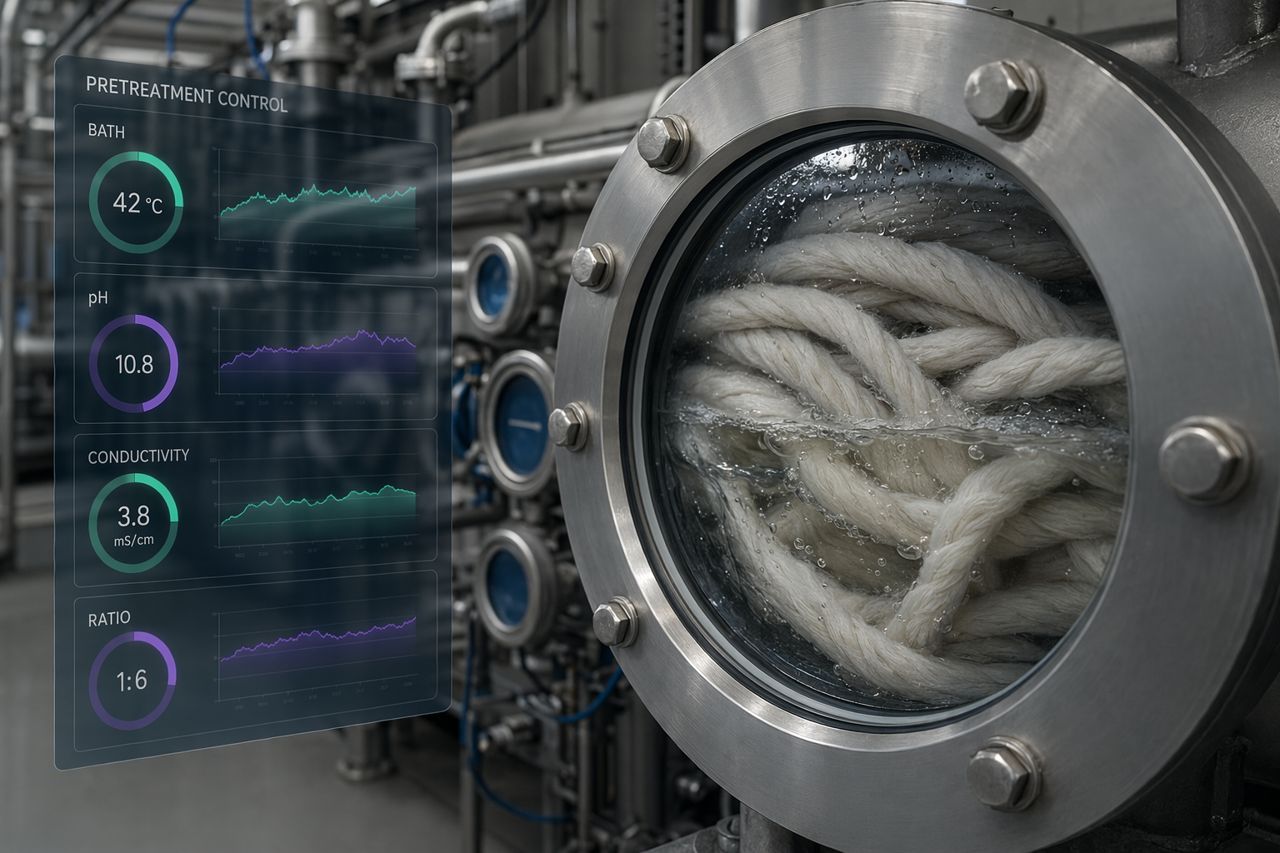
- Bath pH and temperature stability throughout the pretreatment step.
- Wetting and circulation behavior in the actual machine type.
- Load size, rope movement, and liquor exchange.
- Compatibility with wetting agents, peroxide stabilizers, chelants, and auxiliaries.
- Rinse behavior before dyeing.
- Absorbency and shade data linked back to each lot.
LoopBath works with dyehouses to keep this evaluation practical: trial the enzyme under production-relevant conditions, compare downstream shade behavior, and confirm whether the process can be repeated by operators shift after shift.
What a good supplier conversation should include
When choosing an enzyme partner for cotton bioscouring, ask for more than a product recommendation. The supplier should understand how pretreatment affects reactive shade control in jet dyeing, soft-flow machines, and other knit processing routes.
A useful technical discussion should cover:
- Your current pretreatment route and where shade variation appears.
- The fabric constructions and colors most sensitive to repeatability issues.
- Existing auxiliary packages and process constraints.
- How absorbency will be checked before dyeing.
- How shade repeatability, correction rates, and rework will be compared after the trial.
- What operator instructions are needed for stable adoption.
The commercial case is simple
Reactive shade consistency is not only a quality target. It affects machine capacity, lead time, claims risk, and cost per usable kilogram of fabric.
A bioscouring program that improves dye-readiness can help a cotton knit dyehouse:
- Reduce avoidable shade corrections.
- Improve lot-to-lot confidence.
- Protect delivery schedules.
- Improve absorbency without a harsh process profile.
- Keep fabric handle and surface quality under control.
- Build a more stable base for reactive dye recipes.
Start with the pretreatment variable
If a reactive shade issue repeats across operators, machines, or dye recipes, the cause may be entering the dyebath before the first dye addition.
LoopBath supports cotton knit dyehouses with enzyme-based bioscouring guidance built around practical trial design, recipe compatibility, and production confidence.
Request a quote for cotton bioscouring support